

What Kinds Of Videos Can You Monetize On Youtube
Video monetization is skyrocketing growth for broadcasters and online brands. Streaming r esearch shows that overall video ads grew by 46% terminal twelvemonth with live content doubling in market place share. Not to mention that online viewership is up by 72% and consumer spending for streaming services is expected to reach nearly $17B in 2020.
It is articulate that audiences respond well to online video streaming and over-the-top video solutions .
This presents a unique opportunity for organizations to monetize their video libraries and create stable streams of recurring income. From ad-supported content, viewer subscriptions, all the way up to pay-per-view and on-demand services, monetization is the new standard of profitable media delivery and consumption.
In today's article, we will talk well-nigh what video monetization is and how it works. We volition too discuss various video monetization models (AVOD, SVOD, and TVOD) and how they can be used with both alive streaming and video on demand . Lastly, we volition touch upon paywalls and revie w the best video monetization platforms of 2021.
Let's dive in and get started.
Video content monetization platform technology is irresolute all the time. This post has been updated to reflect the almost accurate data on video monetization as of December 2021.
Table of Contents
- What is Video Monetization?
- Common Video Monetization Models
- How to Monetize Video Content
- Where Can You Monetize Videos?
- What is a Paywall?
- Comparison of the Best Video Monetization Platforms of 2021
- Conclusion
What is Video Monetization?
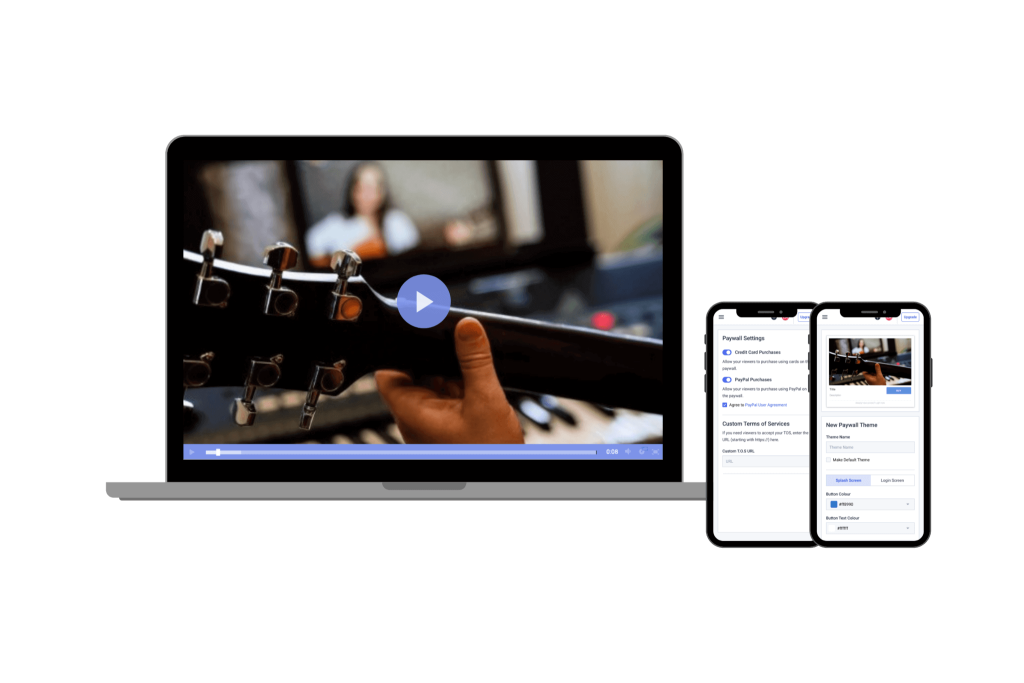
Only put – video monetization is getting paid for the videos you publish online. Not so much for the creation, but rather when audiences view or download your content. The more people that watch the greater your earnings.
Broadcasters can generate acquirement from their videos in many unlike ways. The most common include inserting ads, incorporating sponsors, offering subscriptions, or creating production or service reviews.
Generating income from your videos is based on these singled-out video streaming business models.
- Access to individual content: when you serve the needs of your audition well, followers volition pay to view the content y'all create. Educational curriculum , training courses, and other digital downloads are prime examples.
- Access to your audience: advertisers with a production or service (that aligns with your brand) volition sponsor ads or pay for placement within your video content. Think about promoting workout gear or supplements to a fitness audition or running team wearing apparel ads during a alive sports upshot.
- Access to your platform: as a broadcaster, creating a subscription model to admission premium content – or your entire video-on-demand library – is a smart monetization play. This model works especially well for media agencies , online publishers , and others with vast content collections already established.
Some organizations may hesitate to accuse fees or subscriptions for accessing premium content. Believing that such actions will be perceived negatively or plow away loyal visitors. Even so, if the information is valuable and compelling, viewers will gladly pay to benefit from information technology.
Especially if the content is entertaining, solves a trouble, or helps viewers grow.
Video Monetization Stats and Facts
The all-time way to understand the true potential that video monetization unlocks is by seeing the stats.
Here are a few interesting trends in video monetization:
- The online video industry is forecasted to be worth $124.six billion by 2025
- Experts expect the total value of global video subscriptions to reach $338 million this year
- Over one-half of viewers report that they'd rather sentinel a live stream with ads rather than pay a subscription fee
- The median U.Due south. household now contains an average of five streaming devices with xviii% having 10 or more
- 76% of US broadband homes now take OTT subscriptions
- Ad-revenue from OTT video streaming is expected to reach $129 billion past 2023
Desire to learn more about the general online streaming landscape? Check out our live streaming statistics post to review 100+ stats and trends.
Common Video Monetization Models

Although there are dozens of ways broadcasters can monetize video content , near efforts fall within one of three chief categories: AVOD, SVOD, or TVOD. While all can exist profitable, in that location are pros and cons to each. Depending on where you are in your business organisation life bicycle, the best pick may change over time.
Advertising-Based Video On Demand (AVOD)
Ad -Based Video on Demand (AVOD) is a sponsorship model where the cost for advert placement is typically based on audience size. AVOD is a archetype monetization format where brands pay you to run video advertisements in forepart of your audition. Once again, YouTube serves equally a prime example.
As stated, the larger the audience, the more revenue AVOD video can generate. Advertising video on need also provides a low barrier to entry as it is both like shooting fish in a barrel to ready and operate. Additionally, virtually online viewers prefer ad-supported gratis content as this is what they are already accustomed to.
Subscription-Based Video On Demand (SVOD)
Subscription -Based Video on Demand (SVOD) is a monetization option where users pay a recurring fee to admission video content. Netflix is an obvious example of SVOD in action. As long as user accounts remain electric current, members tin can access Netflix's vast library of video content whenever and wherever they choose.
Although the proper name includes video-on-demand, SVOD tin can also apply to live streaming content. Like for subscriptions to live sports packages or access to webinars from mentors or idea leaders. Subscription video on need is one of the most profitable types of monetization equally organizations can develop recurring revenue for as long every bit they see fit.
Transactional Video On Need (TVOD)
Transactional Video On Demand (TVOD), which is also known as " pay-per-view streaming," is another monetization method that requires viewers to pay upfront for each video watched or digital download requested.
Common examples include iTunes and the Google Play Store for individual downloads and pay-per-view events for live streaming. TVOD is the opposite of AVOD as viewers pay for each and every piece of content they access.
Although transactional video on need seems more restrictive, it tin can actually be highly profitable. Particularly for broadcasters covering a large assortment of topics or those with specialized experience in a specific niche.
In one case again, selecting a video monetization model is non an all-or-nothing proffer. Many organizations take success mixing and matching based on existing resource and the needs of their audience. Ofttimes using AVOD for general information and subscription or transactional video on demand for premium content.
How to Monetize Videos
There are several ways to monetize your videos with the monetization methods we mentioned to a higher place. Allow'south break downwardly some specific strategies and utilise cases.
Affiliate Marketing and Sponsored Ads
Ane of the easiest ways to get started with video monetization is by inserting ads or using "suggested" content links in your published media. Anyone who has e'er watched a YouTube video will recognize this concept. Every bit viewers engage with these sponsored links you earn income for each click or a percentage of completed chapter sales.
Broadcasters can as well look for sponsors and include targeted product placement throughout their content. With sponsors, yous need to have a decent following to charge premium rates. Yet, if you cater to a specific audience or niche, brands will notwithstanding pay good money for advertising (even with a smaller post-obit).
The key is ensuring any sponsors align with your live streaming site'due south values and audition interest. Otherwise, sponsored ads may do more harm than practiced.
As previously mentioned, production review videos can as well be a expert source of income. Companies volition pay you lot to share honest feedback almost their products or services in order to go their proper noun out. Site owners can as well earn "freebies" as many brands let you go on the reviewed items or services after.
Furthermore – as long as your review is helpful and honest – it tin bolster trust betwixt you lot and your audience.
Create Your Own VOD Platform
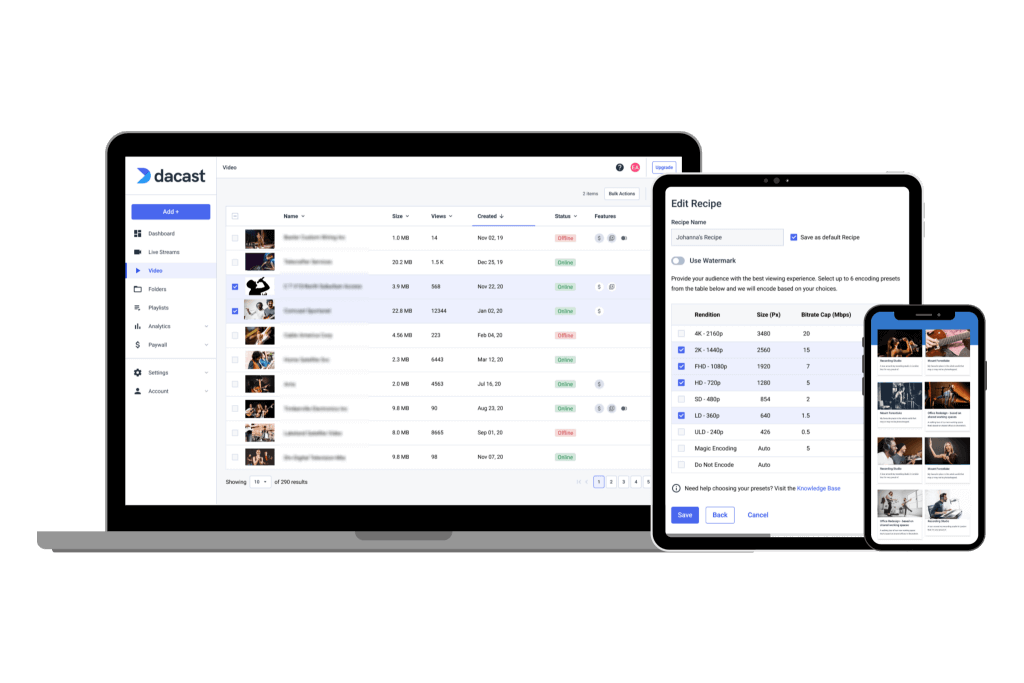
A bang-up way to monetize your video content is to build a branded VOD streaming platform.
A VOD delivery platform is a media distribution system that hosts and shares content online. In other words, this is reserved internet property where visitors can proceeds straight access to your content.
It requires a website that is fast and easy to navigate where content can exist delivered to nigh whatsoever device. The strengths of having a platform are existence able to prepare your own prices, maintain control of content distribution, and conform your video marketing strategy based on user feedback and market demand.
Trying to build a VOD platform yourself is a lot of work. Fortunately, partnering with an existing video streaming platform makes the process easy. These ready-fabricated solutions accept the infrastructure, tools, and back up to go you up and running fast. Many also include built-in monetization options and security controls to manage user access.
Add Monetization Options to Existing Content
If yous accept not already, consider adding a paywall to charge users for admission to your existing VOD library . Subscription models are an ideal way to become started with video monetization. In one case yous have the content created, you tin keep adding to your library and building your brand.
Every bit your following continues to grow, so do your earnings. Even a pocket-size (merely dedicated) audition tin can generate substantial income.
Get Your Content in Front of More Optics
When it comes to video monetization, the more people who see your content the better. One of the best ways to increase your reach is past partnering with an OTT provider with a proven video distribution network.
Over-the-top (OTT) technology allows viewers to admission content on a broad range of equipment including computers, mobile devices, gaming consoles, and smart TVs ( Roku , Amazon Burn TV , etc.).
Rather than being limited to proprietary broadcast networks (similar cable or satellite), OTT utilizes the public internet for end-to-finish transmission. Then long as audiences have a connexion and compatible device, they can stream OTT content , and the provider can monetize their over-the-elevation content .
Where Tin You Monetize Videos?
When people talk almost monetizing videos, YouTube typically comes to mind. With their tremendous size, reach, and industry history, it'due south no wonder. Yet, for organizations that are serious nigh the growth and scale of service, YouTube (and other mutual social media sites) are non the best option for monetizing video .
While information technology is true that sharing on these sites is one way to get exposure, you lose command of how your content is distributed . Your videos are drowned in ads that you have no control over and buried deep on a site that decides whose content is featured (and whose is not).
Members are also subjected to strict advertising guidelines and ever-irresolute revenue models. The fact is, y'all can actually end up losing viewers (and income) if your videos are tied to the incorrect kind of advertizing.
Even if everything falls into place – the correct audience size, messaging, and exposure y'all can nonetheless come upwards short. Research shows that over 95% of YouTubers can't make ends see . Whatever money you practise brand, the platform keeps a whopping 45% of it.
Patronage crowdfunding sites like Patreon and Indiegogo too let broadcasters to offer sectional content to subscribers (for a fee). However, zilch beats using your ain website for video hosting. Specially when information technology comes to security, maximizing profits, and scalability. Working with an established online video provider makes the process easy.
What is a Video Paywall?
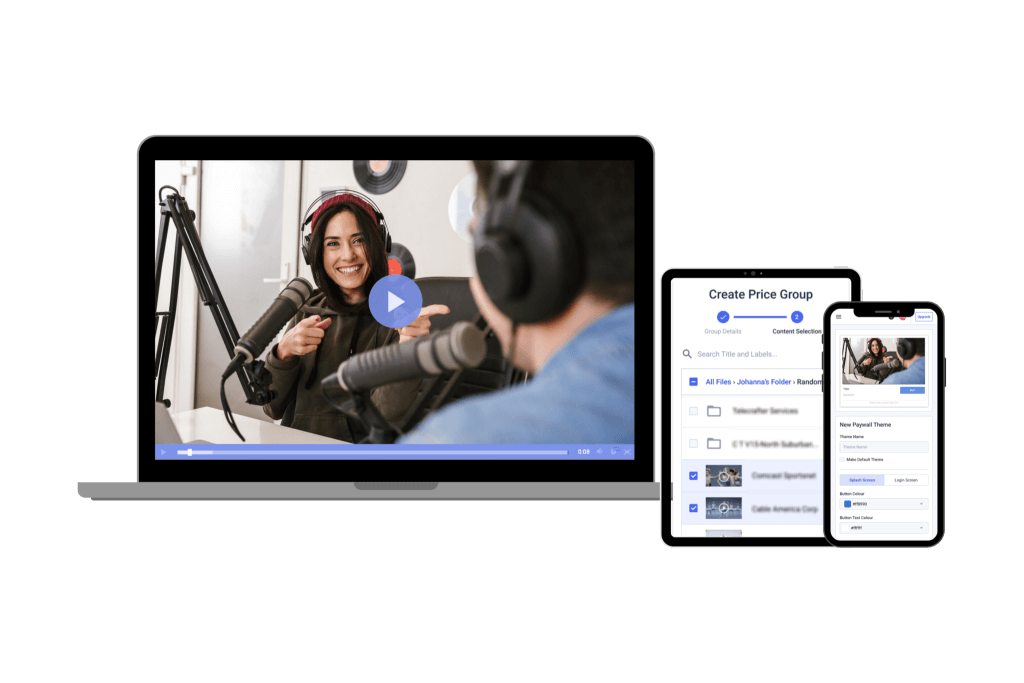
If yous want to charge subscribers for content, there has to exist a method in place to restrict admission. This is where a video paywall comes into play-acting as digital payment barriers to command the flow of videos. In short, a video paywall is defined as:
A video paywall is necessary for SVOD and TVOD monetization. It restricts gratuitous access to digital content past requiring a viewer to purchase the video or pay for a subscription to proceeds access to the content.
Video paywalls fit nicely with subscription models equally viewers can accept their own accounts for library admission while broadcasters earn steady recurring income. Most brands using paywalls offer costless access to some content but block others with popups or login prompts. This type of streaming setup is known as a soft paywall .
Soft paywalls are a good way to outset monetizing your content and align well with most streaming solutions . Yous can exam how viewers volition react to ads – without completely alienating your audience in the process.
Setups, where NO gratis content is offered, are called hard paywalls . Although hard paywalls can generate more revenue in the long run, you lot need a strong user base to brand it piece of work. Otherwise, coincidental visitors will look for free content elsewhere.
Hard paywalls may as well limit the number of advertisers you tin can attract since you have a smaller audition to market to. The optimal paywall strategy is to use a combination of both . Offer gratuitous content for some users and paid subscriptions to others. Everyday videos can be shared with general audiences while premium content is reserved for members or those that opt to pay.
Video paywalls are the heart of robust content monetization strategies and offer solid ROI when implemented correctly.
Comparison of the All-time Video Monetization Platforms of 2021
At present that y'all know nearly the benefits of video monetization the next stride is choosing which provider to go with. Go along in mind that some online video platforms offering native tools for monetization while others include fractional or no options at all. In which case you will need third-party plugins or tools to complete transactions.
Broadcasters should also review pricing and feature sets for comparable packages. Several platforms include congenital-in monetization options but merely for enterprise-course bundles or the most expensive plans. Keeping these ideas in mind, here is our comparison of the 10 best video content monetization platforms to consider in 2021.
1. Cleeng
The first video monetization platform on our list is Cleeng – a subscription management platform with a number of flexible features. Their paywall options are available for pay-per-view live streaming and video-on-need subscriptions.
Cleeng's solution includes multi-linguistic communication support and hallmark tools for content integrity and fraud prevention.
When it comes to subscription management, Cleeng offers two plans: Launchers and Scale-Ups. Launcher plans use a revenue-sharing model of 2.nine% + $0.29 per transaction (plus processing fees), and Scale-Up plans commencement at 2.6% + $0.26 per transaction.
It is important to note that Cleeng works alongside video hosting software as a plugin or integration.
2. Muvi
Up next in our video monetization platform comparison is Muvi , an OTT-focused online video platform. Muvi'due south service supports both live streaming and VOD and includes a native video thespian and select video monetization tools .
Muvi'southward paywall implementation works with all major advertising, PPV, and subscription models only is less secure than another platforms. For example, there are no geographic and referrer restrictions and limited countersign protection.
Muvi's pricing plans start at $399/month. Enterprise packages range up to $8900. Custom-built streaming plans are also available.
three. Lightcast
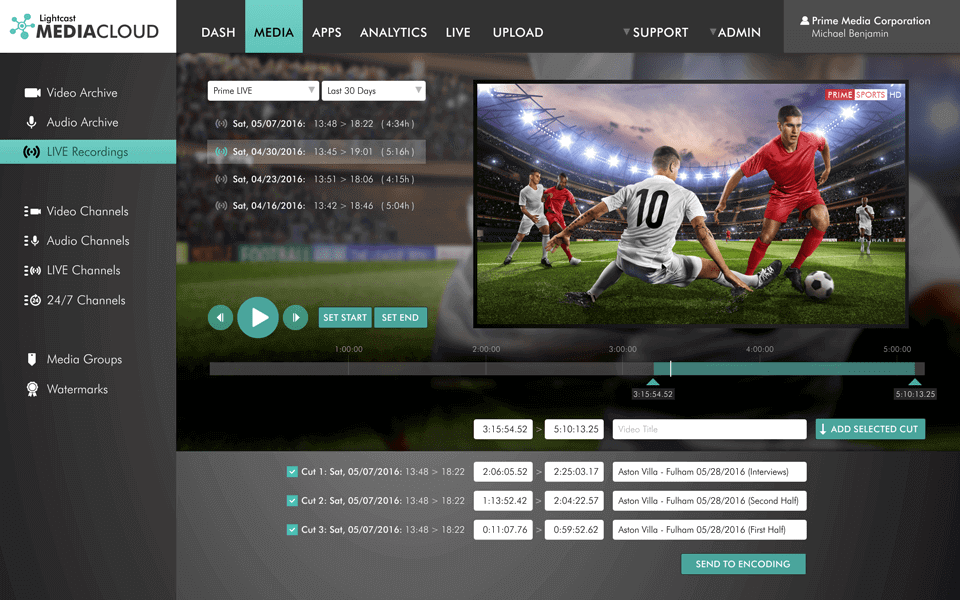
Providing a variety of OTT and video hosting services, Lightcast as well helps broadcasters develop mobile and custom SmartTV applications.
Lightcast supports all major monetization options, including SVOD, TVOD, and AVOD. It likewise offers fundraising tools. Nevertheless, these monetization tools are not included in all plans.
Pricing plans from Lightcast range from $199 to $1799 per month depending on the parcel and options selected.
four. InPlayer
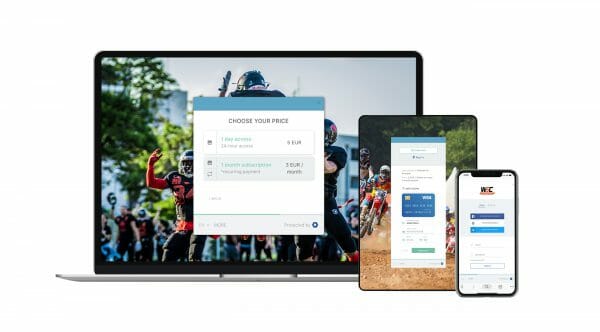
Like to Cleeng, InPlayer is a height video content monetization platform and paywall solution for both pay-per-view and subscription-based revenue models.
The InPlayer solution includes coupons, geoblocking, and multiple currency options, and custom features like paying with social media outreach (a "tweet", "like", etc.). InPlayer uses Stripe to procedure payments.
The InPlayer platform also includes API access and a native CRM organization for capturing user data.
InPlayer no longer has pricing data published on their website, but in the past, they've used a revenue-sharing model.
5. Dacast
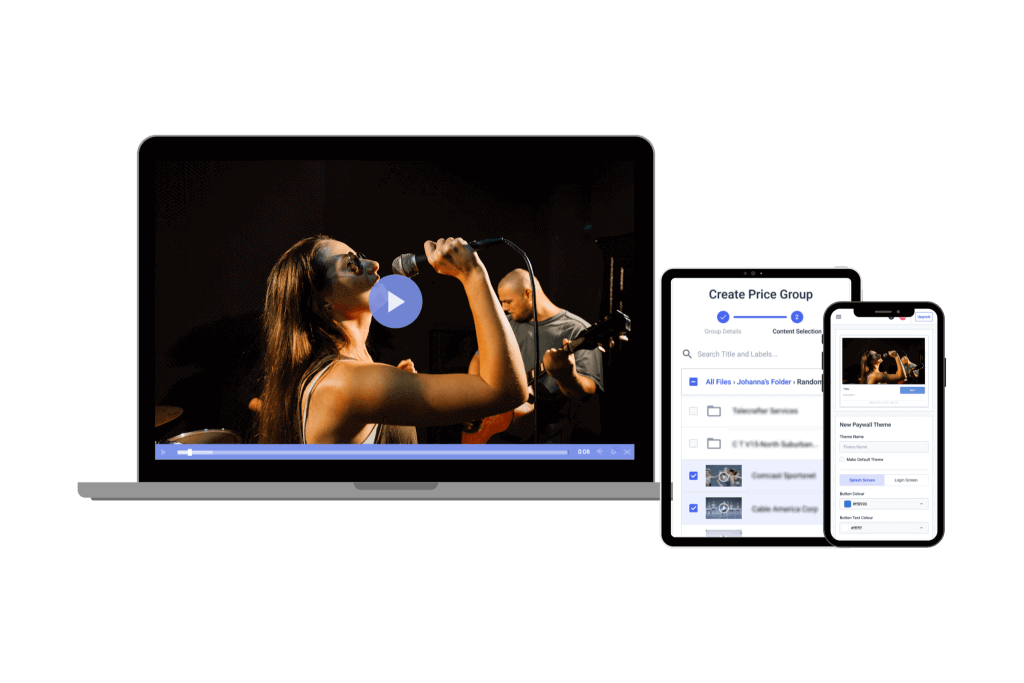
Dacast is a live streaming and video on-demand platform that supports pay-per-view , subscriptions , and advertising monetization models. Streams are delivered via the top-tier CDN service with user paywalls integrated direct into Dacast's white-label video player.
Our subscription management arrangement offers weekly, monthly, quarterly, and biannual renewal options while our paywall solution accepts 135 different currencies (and counting) and is translated into 10 different languages.
Technical assistance is available 24/7 and we offer professional support services for live events , hosted pages, and software development projects.
Streaming media audiences voted Dacast every bit the best SMB online video platform of 2019 and runner-upwardly for educational video commitment. Broadcasters have nominated (and placed Dacast in the top three) for multiple honor categories six years in a row!
Prices kickoff at but $39/month for the Starter plan and include:
- Starter Programme: $39/calendar month (includes 1,000 GB of bandwidth & l GB of storage)
- Outcome Plan: $63/month (includes 6 TB of bandwidth upfront and 50 GB of storage)
- Calibration Program: $188/month (includes 24 TB of bandwidth per year and 1 TB of storage)
- Custom programme : Contact united states of america for custom pricing plans
The most notable of Dacast's online video platform features are:
- Live streaming and Video on Need are included in all plans
- Wide range of video monetization tools
- Top-notch dynamic token security
- Low latency video streaming
- Ad network Integration with Ad Insertion
- Video Paywalls
- Unlimited Viewers and Live Channels
- Multi-user access on Scale and Custom plans
- Zoom live streaming integration for meetings and alive events in existent-time
- Expo two.0 galleries video portal for immersive video experiences
- Mobile streaming support
- Real-time Analytics
- Ad-costless Streaming
6. Kaltura
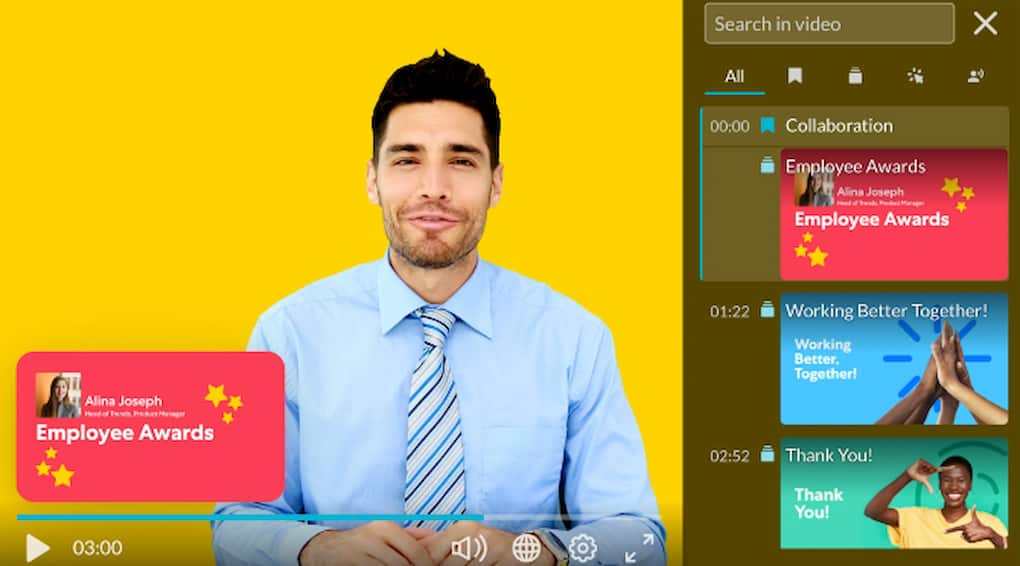
Kaltura is an open-source online video platform that provides a highly customizable streaming experience. Inside these customizations, broadcasters can integrate a variety of different monetization tools.
Kaltura supports integrations for AVOD, TVOD, and SVOD monetization models.
The pricing structure of Kaltura is a bit circuitous. Broadcasters can buy credits to spend on usage and access to different features through integrations. Credit packages start at $5400.
7. Brightcove
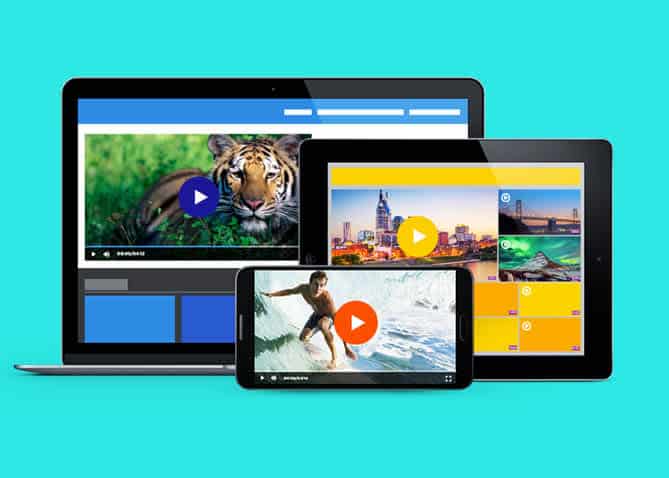
Brightcove is a high-cease streaming solution with a built-in video monetization platform. This platform supports ad-based video monetization.
The advertising features from Brightcove are quite innovative. This platform offers server-side advertizing insertion which allows it to serve ads fifty-fifty when viewers are using ad blockers. It also offers ad cue points to serve pre-, mid-, and post-roll advertisements.
Another cool aspect near video monetization on Brightcove is that it uses metadata to serve targeted ads.
Brightcove does not publish pricing information on its website.
8. Cincopa
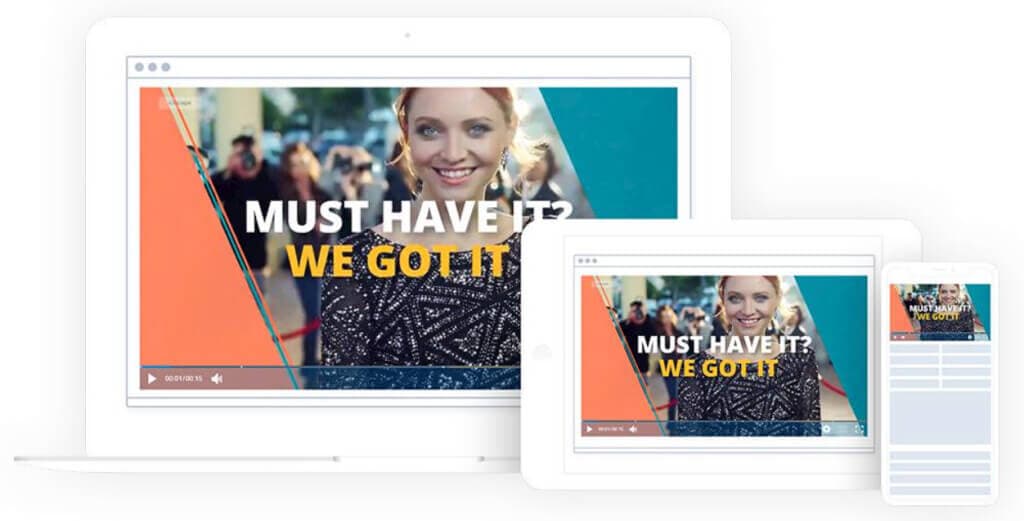
Cincopa is a multimedia hosting software with a built-in video monetization platform for generating revenue on live and on-demand content. The ii video monetization methods that this platform supports include subscriptions and advertisement.
Like Brightcove, Cincopa supports pre-, mid-, and post-ringlet ad insertion.
Cincopa also offers Paygate API which helps users customize their monetization methods to best first their specific needs.
9. Livestream
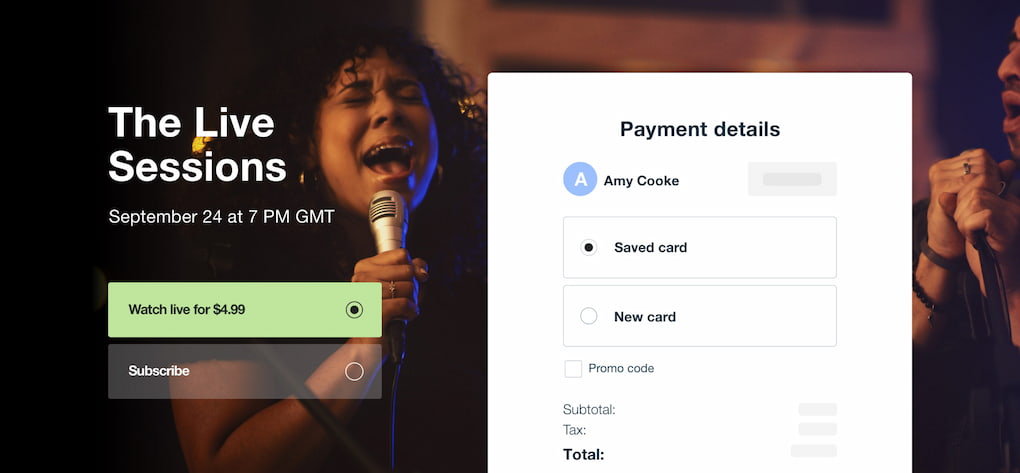
Livestream is an online video platform that is endemic by Vimeo. Livestream has several powerful streaming solutions, but Vimeo OTT is the ane that is best suited for video monetization.
Vimeo OTT supports TVOD, AVOD, and SVOD monetization models.
Vimeo OTT plans price $ane/subscriber for Starter plans or $500/calendar month + $1/subscriber for Growth plans. Custom-priced Enterprise plans are besides available to accommodate advanced streaming needs.
10. Uscreen
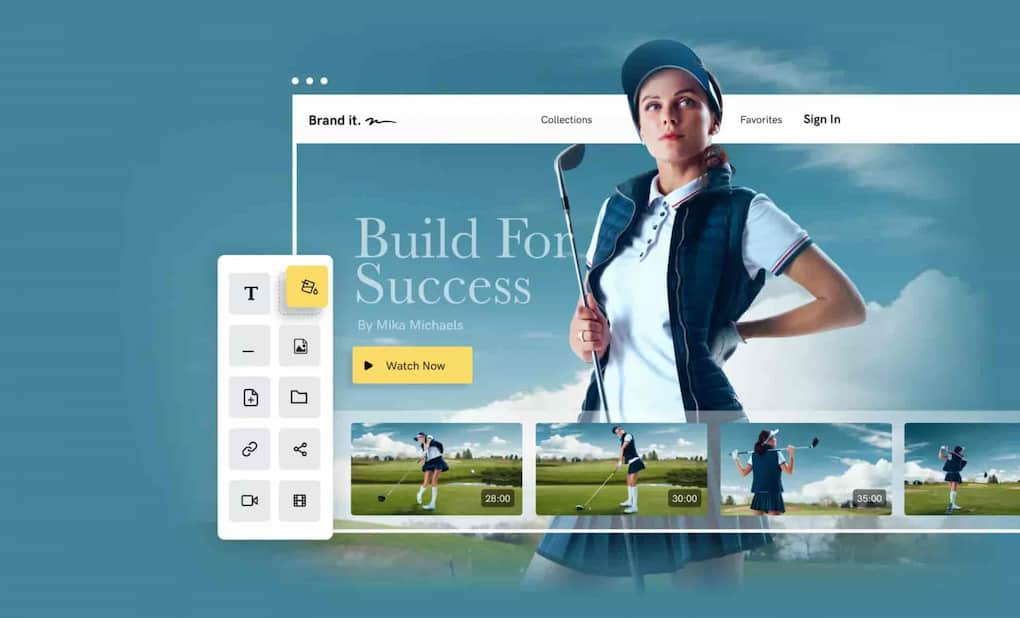
Uscreen is a TV-grade hosting software with a built-in video monetization platform. This platform is equipped with support for subscription and pay-per-view monetization models. It is designed for generating acquirement on OTT streaming services that are similar to Netflix or Hulu.
Pricing plans from Uscreen range from $seventy to $399/month. In that location is also a $0.l fee for each subscriber .
Conclusion
Video monetization is a catalyst for growth, profit, and sustainability. Providing quality content to audiences is more important than ever and organizations that do information technology well can generate substantial revenue from ads, subscriptions, and pay-per-view transactions.
Video hosting platforms like Dacast make information technology easy to profit from live streaming content or existing video on-demand libraries. Our powerful online video solution offers enterprise-class operation, security, and monetization features all for a unmarried depression price.
Each package includes secure video streaming and hosting with 24/7 support, reliable performance via tiptop-tier CDNs, and customizable APIs for video content and histrion management. No other solution offers so much value at such an affordable price.
If you are ready to add together video monetization to your content strategy, contact united states today to get started. Nosotros offer a free thirty-day trial and don't require long-term contracts or accuse hefty setup fees. No credit card is required.
Get STARTED FOR FREE
Do you lot have questions or comments about video monetization solutions, paywalls, advertising, Dacast, or anything else? We'd dear to hear from yous in the conversation section below.
For regular alive streaming tips and exclusive offers, you tin also bring together our LinkedIn group .
Source: https://www.dacast.com/blog/video-monetization/
Posted by: burrowsbegather45.blogspot.com
0 Response to "What Kinds Of Videos Can You Monetize On Youtube"
Post a Comment